
Arbor Viridis is the North Bay and area's trusted, family-owned team specializing in expert tree care and preservation, led by an ISA Board-Certified Master Arborist. We provide precise pruning, safe tree removals, emergency response, pest and disease diagnosis, and advanced, environmentally conscious treatments that address problems at their source.
Our proactive, science-based approach protects your landscape from costly damage, enhances curb appeal, and helps increase your property’s value for years to come.
Specialized Services
Specialized Regional Systemic Injections
Local options aren't always equipped to handle aggressive threats like Emerald Ash Borer or Dutch Elm Disease. Arbor Viridis travels extended distances across Ontario to deploy specialized mobile Plant Health Care. We provide micro-injections and macro-infusions directly to your property.
-
"Excellent experience using Arbor Viridis. They were professional, prompt and a pleasure to work with. I would highly recommend them to anyone who needs their service."
— TRACY (VERIFIED CUSTOMER)
-
"Very impressed with the knowledge and experience that Arbor Viridis brings to the table. Would highly recommend to anyone looking to improve tree health on their property."
— JOHN (VERIFIED CUSTOMER)
-
"Brandon is amazing! Very knowledgeable, efficient, friendly and accommodating! Our tree looks fantastic and we look forward to doing business again in the future!"
— KATHERINE (VERIFIED CUSTOMER)
Finding an Arborist
ISA Certified Arborists® are professionals who have proven their expertise in the art and science of tree care through experience and by passing a rigorous examination designed by leading experts in the field. To retain their certification, ISA Certified Arborists must pursue ongoing education, ensuring they remain at the forefront of arboriculture techniques. In addition to being an ISA Certified Arborist, Brandon is a Board Certified Master Arborist® (BCMA) — the highest level of ISA certification, often considered the PhD of arboriculture, recognizing exceptional knowledge, experience, and commitment to the profession.
Here’s how to choose the right tree care company (You already found us!)
Finding a Certified Arborist. Visit TreesAreGood.org for free tools:
Find an Arborist can help you locate a Certified Arborist in your area.
If an individual/company claims they are certified and don't show up– they aren’t certified!
Verify a Credential confirms whether an arborist has an ISA credential.
Get it in writing. Most reputable arborists have their clients sign a contract.
Read it carefully and ask questions.
-
Do not hire arborists who promote tree topping. If any arborist agrees to top your trees, walk away.
-
Ask for proof of insurance and call the insurance company. Check for local permits and licenses. Specifically, check whether their Workers' Safety and Insurance Board (WSIB) is active or delinquent. Ask for a WSIB clearance letter addressed directly to you.
-
Demand information about ANSI A300 pruning standards and safety regulations. You must ensure that their practices align with these established standards.
Arborists adhering to the ANSI A300 pruning standard will not:• leave branch stubs
• make unnecessary heading cuts
• cut off the branch collar (Flush cut)
• top or lion’s tail trees (stripping a branch from the inside, leaving foliage just at the ends)
• remove more than 25 percent of the foliage out of a single tree in one year.
• damage other parts of the tree during pruning
• use wound paint
• prune without a good reason
• climb the tree with climbing spikes for pruning jobs -
Be highly skeptical of any arborist who suggests removing healthy, living trees. This should only be considered as a last resort after all alternatives have been thoroughly explored.
-
Verify a Credential confirms whether an arborist has an ISA credential.
-
Don’t always accept the lowest bid. Examine the credentials and the written specifications of the firms that submitted the bids and determine the best combination of price, work to be done, skills and professionalism. Choosing a locally owned and operated company will also help your community.
Tree Owner Resources
Basic knowledge of proper tree care helps individual tree owners understand the quality of care necessary for the health of their trees. An overview of tree care essentials is provided here.
The power of Local Stewardship
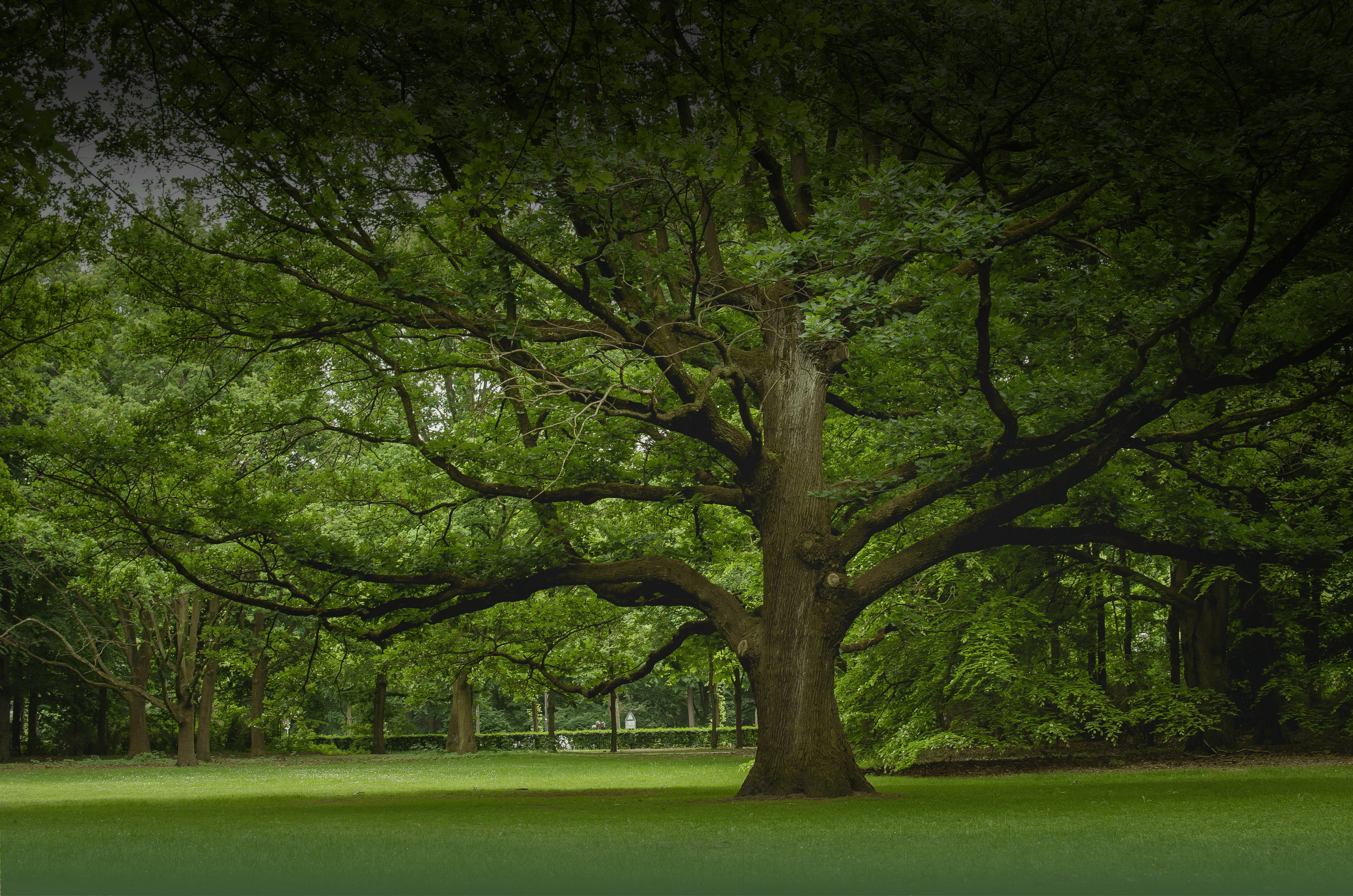
Trees are nature’s ultimate multi-taskers. They naturally purify our air, safeguard clean water supplies, enrich topsoil, and provide habitat for local wildlife. While development and land clearing constantly pressure our green spaces, every tree we plant and care for makes an immediate, tangible difference. By working in harmony with nature through thoughtful planting and professional tree care, we protect the soil, air, and water our entire community relies on.
Service Areas
NORTH BAY
MATTAWA
SUDBURY
HUNTSVILLE
Land Acknowledgement
Arbor Viridis respectfully acknowledges that we operate on the traditional and treaty territories of the Anishinabek Nation. In North Bay, we operate on the lands of the Nipissing and Dokis First Nations, situated along historic routes shared with the Algonquin people. We recognize that these lands are protected by the Robinson-Huron Treaty of 1850, and we are grateful to all First Nations, Métis, and Inuit peoples who have stewarded these lands since time immemorial.